Insights from Cork and Turin: New report shows how standards support climate-neutral urban development
December 8, 2025
Digital Twins as enablers of Positive Energy Districts: insights from the TIPS4PED project
December 17, 2025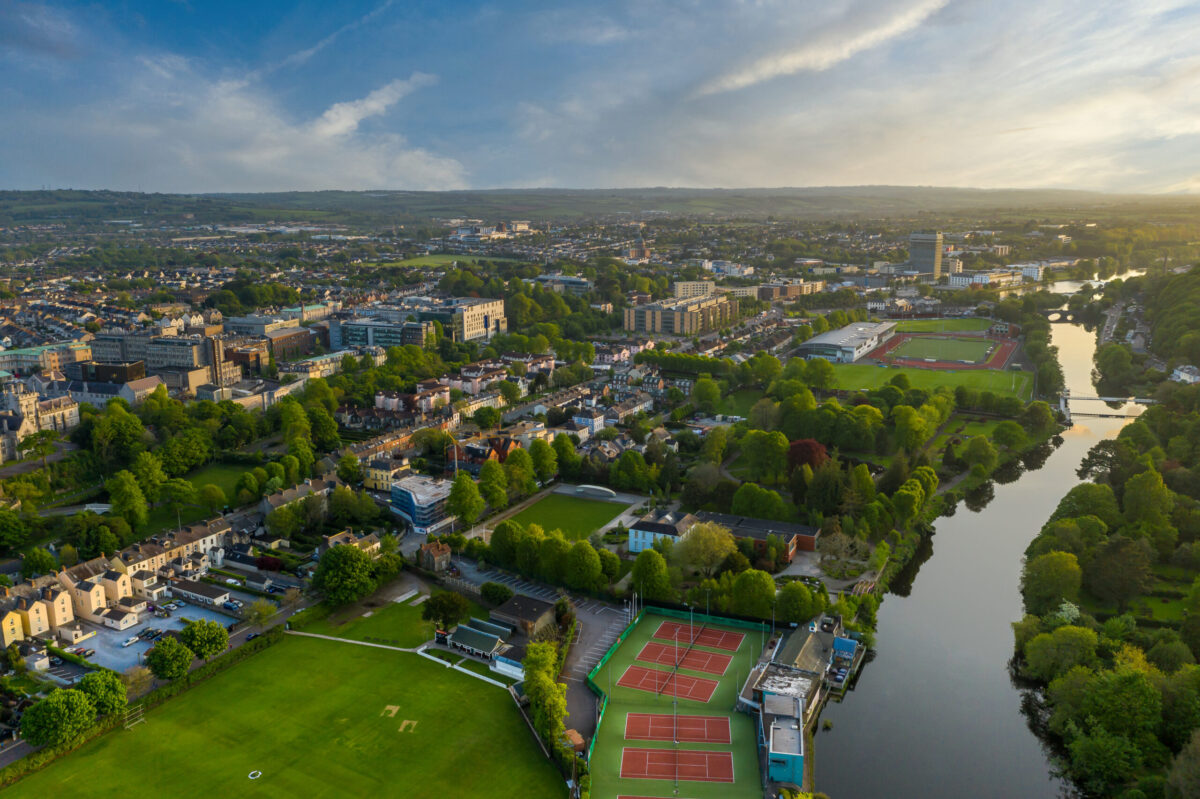
Cork hosts TIPS4PED workshop to advance smart, sustainable city planning
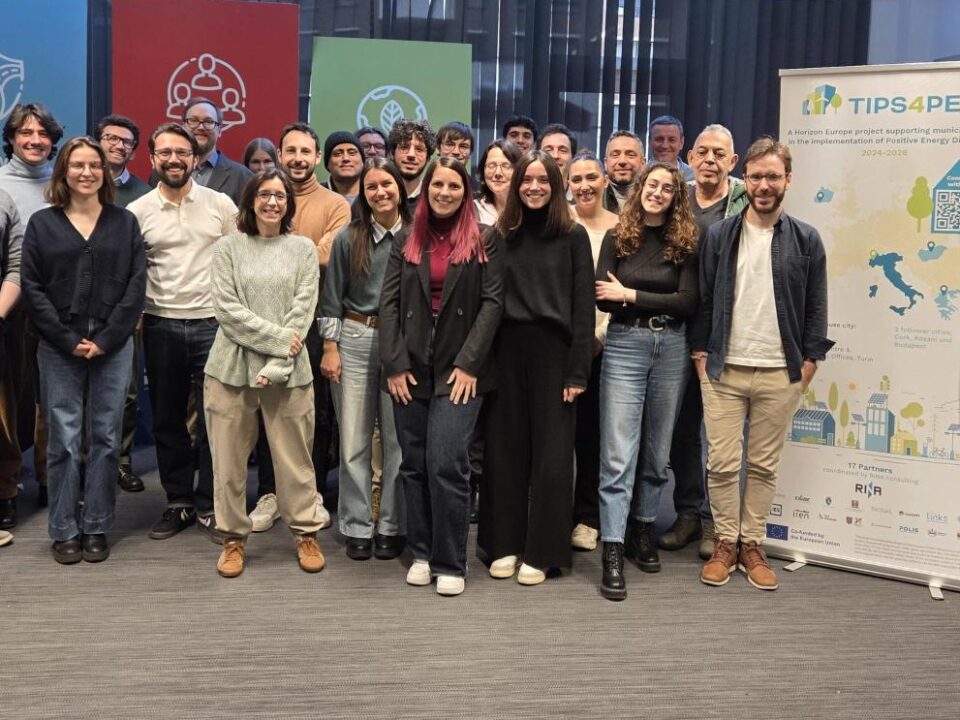
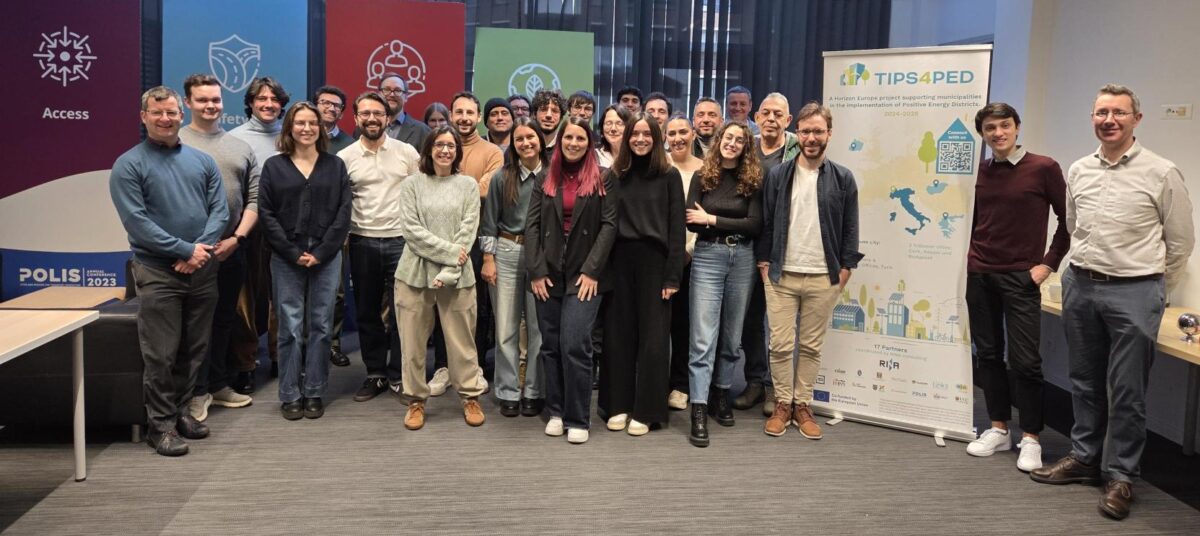
The Tyndall National Institute played host to a landmark workshop that brought together members of the TIPS4PED consortium and a cross-section of Cork’s urban, energy and mobility ecosystem. The event showcased Cork City Council’s leadership in harnessing data and digital tools to shape the future of urban sustainability through the TIPS4PED (Tools for Integrated Planning and Simulation for Positive Energy Districts) project.
The workshop marked a key step in Cork’s effort to build and deploy a Digital Twin, this is a real-time virtual model of the North Docklands in Cork city to inform energy, transport, and planning strategies within the Cork Docklands Redevelopment.
A whole-city effort
The event brought together a broad range of local and European stakeholders, including Cork City Council Climate Action, Energy, Emergency Response and Docklands Planning teams, the International Energy Research Centre (IERC), University College Cork and Cork’s Smart Gateway and European partners with expertise from the TIPS4PED consortium.
TIPS4PED coordinator Benedetta Barchi (RINA) underlined how digital twins are rapidly moving from experimental models to practical, citizen-driven tools that support planning grounded in local data and lived urban experience.
Key presentations included Bryan Fitzgerald on the Docklands redevelopment, Tony Lynch on Cork’s emerging EV charging policy, and Brian Higgins on data governance and interoperability. Aidan O’Mahony, Senior Engineer outlined how the city is using data to inform planning within wider strategic frameworks.
Using data to drive climate action
The workshop emphasized the role of data in making climate planning responsive and effective.
As Corina Hanrahan, Project Manager at Cork City Council, explained:
“Having access to real-time, reliable data is no longer a ‘nice-to-have’, it’s essential for future-proofing how we plan and build our cities. Whether it’s energy use, transport patterns, or urban growth, dynamic data gives us the insight we need to make decisions that are not just smart, but sustainable, citizen-focused, and resilient in the face of climate change.”
The IERC team shared insights from energy data projects, showcasing how local stewardship and digital engagement can work hand-in-hand. Meanwhile, Damian Williams, Energy Engineer with Cork City Council, reflected on ongoing challenges and opportunities in citywide energy monitoring, and how real time data can support futuristic planning initiatives towards net zero.
The workshop also featured breakout sessions on Cork’s digital twin objectives, transport data integration, and behavioural change modelling. These are supported by other projects managed by Cork’s European Affairs Unit, such as the Net Zero Cities Build CAPA-CITIES and INTERREG Zero Carbon Infrastructure project. These efforts are focused on citizen-centric engagement in the design of services to support behavioural change toward energy- and climate-positive decision-making, and on implementing infrastructure with zero carbon emissions in Cork.
Innovation Insight from RINA:
“What we are developing in TIPS4PED is not just a set of digital tools, it’s a dynamic, data-driven environment where cities can experiment, learn, and adapt. By integrating digital twins with participatory planning and operational intelligence, we’re enabling urban stakeholders to move from reactive to proactive decision-making. This innovation empowers cities to anticipate challenges, co-design solutions, and accelerate their path toward climate neutrality.”
As the TIPS4PED project moves forward, Cork City Council will focus on integrating energy, transport, and land use data into a unified planning tool; advancing the Docklands as a pilot Positive Energy District; and using data and modelling to support community engagement and policy design.
This workshop confirmed Cork’s position at the forefront of data-driven, climate-conscious urban planning in Europe.