TIPS4PED Italian National Roundtable explores pathways for replicating Positive Energy District solutions
June 1, 2026
TIPS4PED webinar: Digital Twins and Integrated Assessment Platforms (IAPs)
April 29, 2026TIPS4PED Italian National Roundtable explores pathways for replicating Positive Energy District solutions
June 1, 2026TIPS4PED webinar: Digital Twins and Integrated Assessment Platforms (IAPs)
April 29, 2026TIPS4PED Italian National Roundtable explores pathways for replicating Positive Energy District solutions
June 1, 2026TIPS4PED webinar: Digital Twins and Integrated Assessment Platforms (IAPs)
April 29, 2026
On 6 May 2026, the kick-off meeting of the CEN Workshop “Guidelines for the Design, Planning, and Management of Positive Energy Districts Supported by Local Digital Twins” officially took place, marking an important milestone towards the development of a new CEN Workshop Agreement (CWA). The workshop represents a significant step forward in supporting European cities with practical guidance for implementing Positive Energy Districts (PEDs) through the use of Local Digital Twins (LDTs).
The initiative stems directly from the TIPS4PED project and builds on the knowledge, methodologies, and pilot experiences developed within the project, as well as on the outcomes of related European projects and initiatives. The overall objective of the workshop is to translate research results and practical experiences into implementation-oriented guidance that can help cities and urban stakeholders design, plan, monitor, and manage PEDs more effectively.
The online kick-off meeting gathered 36 participants from across Europe, reflecting the strong interest in the topic and the collaborative nature of the initiative. Participants included representatives from UNI, the Italian national standardisation body, members of the TIPS4PED consortium, representatives from related and sister projects and initiatives, and Claire Van Thielen representing CEN/CENELEC.
The workshop aims to develop a CEN Workshop Agreement (CWA) that will provide practical and replicable guidelines for cities, local governments, urban planners, utilities, and other stakeholders involved in urban digitalisation and energy transition processes. Rather than focusing on technical specifications or interoperability standards, the CWA will provide high-level methodological and process-oriented guidance to support the use of Local Digital Twins in PED development and operation.
During the kick-off meeting, participants reviewed and adopted the proposed Workshop working plan and agreed on the methodology that will guide the drafting process in the coming months. Discussions also focused on defining the thematic scope of the future CWA and identifying the main areas of work for the different working groups.
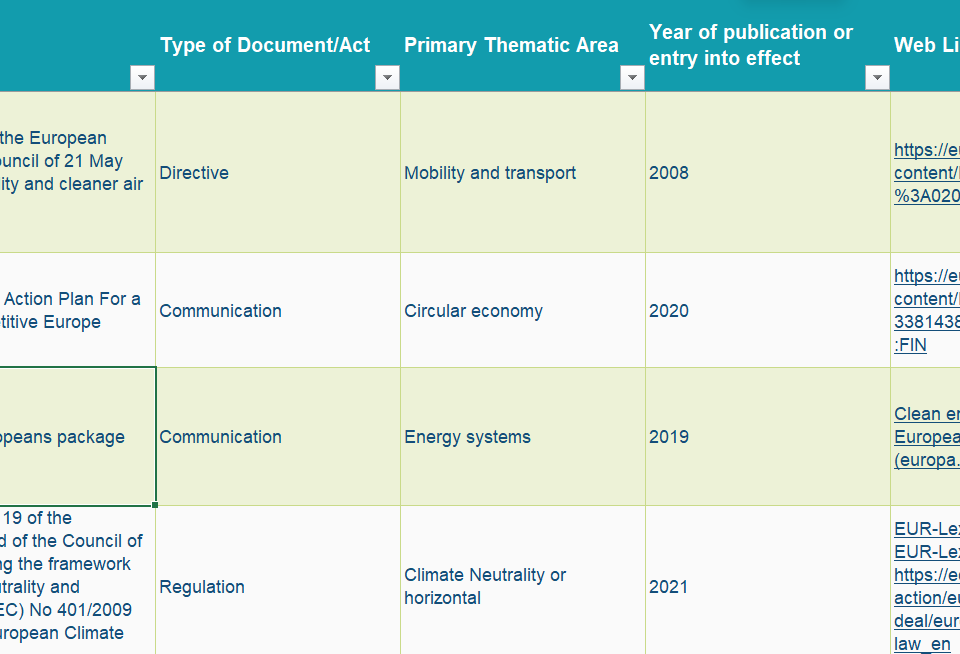
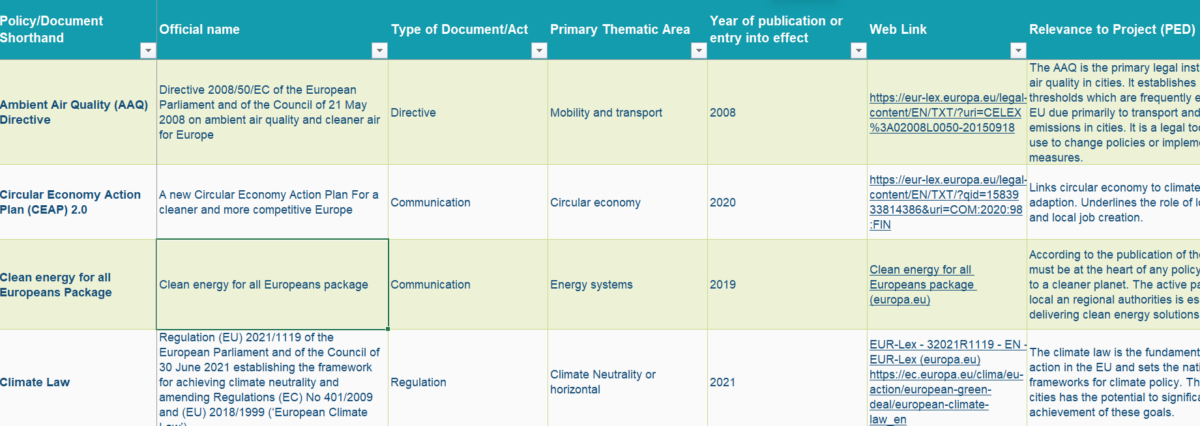
The thematic focus areas identified for the development of the CWA include:
Participants also discussed the next steps and timeline for the workshop activities, including the organisation of upcoming meetings and the establishment of smaller thematic working groups that will contribute to the drafting of the document. The next workshop meetings are expected to focus on defining the detailed structure of the CWA, assigning contributions across thematic areas, and reviewing the first draft inputs.
The launch of this workshop demonstrates the importance of collaboration between research projects, standardisation bodies, cities, and urban stakeholders in accelerating the adoption of innovative solutions for climate-neutral urban development. By bringing together expertise from different sectors and initiatives, the workshop seeks to ensure that the future CWA responds to real urban needs and supports the replication and scaling of PED solutions across diverse European contexts.
The kick-off meeting therefore marks not only the beginning of the CWA development process, but also an important step towards transforming research and pilot experiences into practical guidance that can support cities in their transition towards more sustainable, energy-positive, and digitally enabled urban environments.