TIPS4PED partners gather in Kozani for fifth General Assembly
June 9, 2026
EUSEW 2026: Why Positive Clean Energy Districts matter: building Europe’s clean energy future
June 24, 2026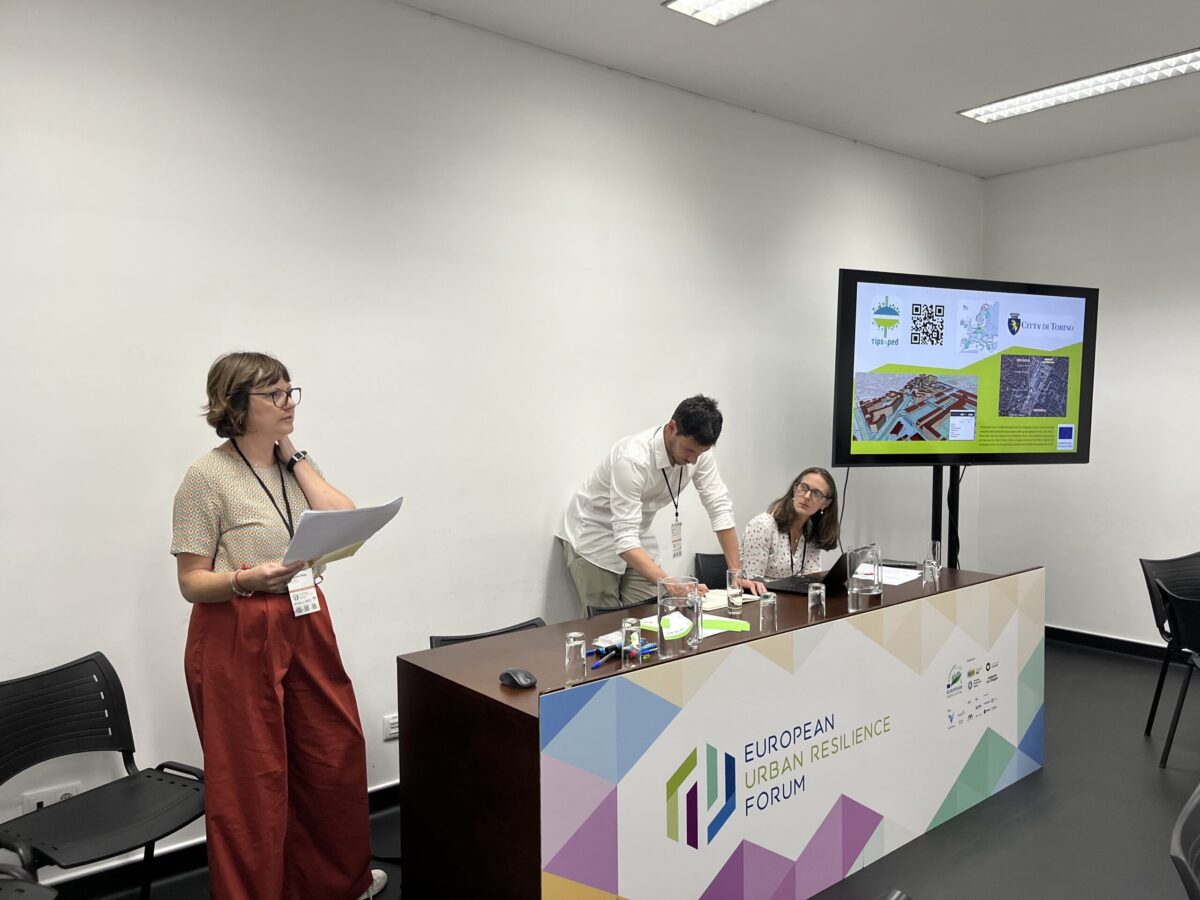
TIPS4PED showcases Turin’s Digital Twin approach at EURESFO 2026
The TIPS4PED project was presented at the 13th European Urban Resilience Forum (EURESFO), held from 17–19 June 2026 in Guimarães, Portugal. The annual event brought together city representatives, experts and stakeholders from local and regional institutions to exchange knowledge and advance strategies for climate change adaptation, disaster risk management and urban resilience.
Hosted in Guimarães, the European Green Capital 2026, this year’s forum focused on integrated approaches to climate resilience that go beyond adaptation alone. Inspired by the city’s long-standing commitment to sustainability, discussions highlighted how cities can combine innovation, governance and citizen engagement to build more resilient urban environments. Particular attention was given to the leadership role of small and medium-sized cities and their ability to develop bottom-up approaches through close collaboration with local communities.
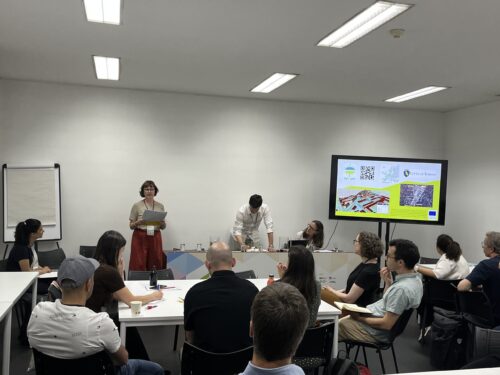
As part of the programme, Manuela Magninoprino from the City of Turin participated in the session “Empowering cities with digital tools: roadmaps for accelerating climate resilience and risk-informed planning” on 18 June. The session brought together representatives from the cities of Athens, Antwerp and Turin, alongside experts from Tecnalia and the Barcelona Supercomputing Center. More than 30 participants attended the interactive discussion.
The session explored the practical value that digital tools can bring to climate adaptation and mitigation efforts and examined how cities can move beyond pilot projects towards long-term adoption and integration. Participants reflected on common challenges, including governance, organisational barriers and the need to sustain digital solutions after initial project funding has ended.
At the start of the session, speakers presented short pitches introducing their initiatives. During her presentation, Manuela showcased the TIPS4PED project and the digital twin currently being developed in Turin to support the city’s Positive Energy District (PED). She explained how digital twin technologies can help cities better understand urban systems, support data-driven decision-making and strengthen planning processes aimed at improving sustainability and resilience.
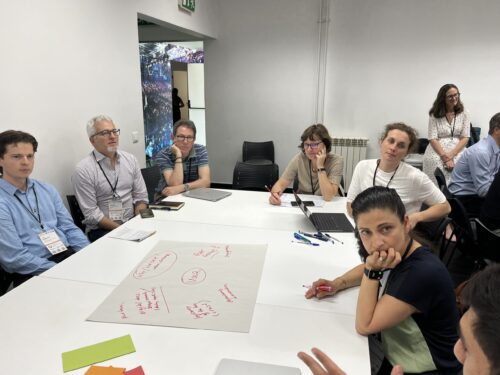
The discussion continued in breakout groups, where participants worked together to identify practical pathways for embedding digital tools into long-term climate planning. Drawing on Turin’s experience within TIPS4PED, Manuela highlighted the importance of actively involving citizens in the development of Positive Energy Districts. She emphasised that residents should not simply be recipients of urban transformation but should become active contributors, helping shape and support the transition towards more sustainable neighbourhoods.
Another key point raised during the discussions was the need for dedicated municipal structures to coordinate PED development. Manuela noted that establishing a specific team within the municipality can help manage the ongoing development of Positive Energy Districts while facilitating communication and collaboration between different departments. Such coordination is essential for overcoming organisational silos and ensuring that innovative digital tools become embedded in everyday planning and decision-making processes.
The session provided a valuable opportunity to exchange experiences with other European cities and research organisations working on climate resilience and digital innovation. The discussions reinforced a central message of EURESFO 2026: achieving resilient and sustainable cities requires not only advanced technologies, but also strong governance, citizen participation and long-term commitment.
Through its contribution to the forum, TIPS4PED continues to support the development of practical, citizen-centred solutions that help cities accelerate the transition towards climate-neutral and resilient urban districts.